
Discover the answers and bonus words for the Wordscapes daily puzzle from May 23 2026, right here!
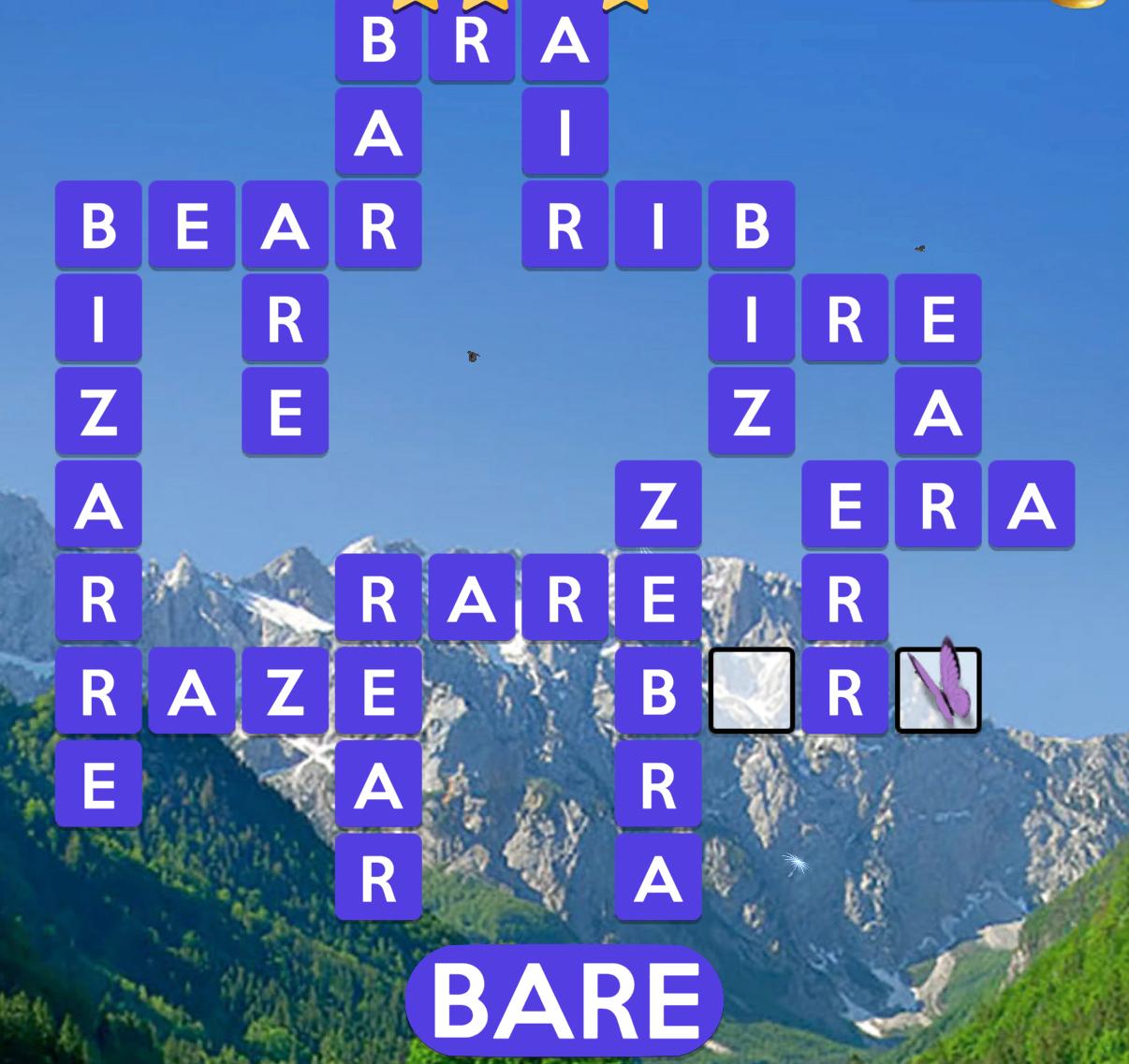
Bonus words:
- Airer
- Arb
- Baize
- Barer
- Bier
- Braze
- Brazier
- Briar
- Brie
- Brier
- Razer
Words in the puzzle:
- Air
- Are
- Bar
- Bare
- Bear
- Biz
- Bizarre
- Bra
- Ear
- Era
- Err
- Ire
- Rare
- Raze
- Rear
- Rib
- Zebra
Wordscapes Daily Puzzle Answers Today
Wordscapes May 23 2026 Daily Puzzle Answer
Welcome, puzzle enthusiasts! If you’re tackling today’s brain-teasing Wordscapes challenge, you’ve come to the right place. Uncover all the words and bonus terms needed to complete the Wordscapes May 23 2026 Daily Puzzle Answer with ease. Dive into our comprehensive guide to ensure you don’t miss a single solution for this exciting daily word challenge.
The Wordscapes daily puzzle for May 23, 2026, presented a fascinating mix of letters, requiring keen observation and a good vocabulary. Whether you’re stuck on a particular word or simply looking to confirm your guesses, we have all the verified solutions right here.
Today’s Wordscapes Puzzle Solutions (May 23, 2026)
- Air
- Are
- Bar
- Bare
- Bear
- Biz
- Bizarre
- Bra
- Ear
- Era
- Err
- Ire
- Rare
- Raze
- Rear
- Rib
- Zebra
Deep Dive: Featured Word – “Bizarre”
Among today’s solutions, the word Bizarre stands out as a particularly intriguing term. Its presence in the puzzle might have surprised some players, adding a layer of challenge to the daily word challenge. Let’s explore this fascinating word:
Meaning and Usage of “Bizarre”
The adjective bizarre is defined as “very strange or unusual, especially so as to cause interest or amusement.” It originates from the French word “bizarre,” meaning “odd, fantastic,” which itself might come from Spanish or Basque roots. It’s often used to describe things that are strikingly unconventional or out of the ordinary.
Example Sentence: “The artist’s latest sculpture was a truly bizarre creation, drawing both fascination and confusion from onlookers.”
Why “Bizarre” might be tricky to find:
For Wordscapes players, Bizarre might have been tricky for a few reasons. Its length (seven letters) makes it less obvious than shorter words. Furthermore, the double ‘R’ and the ‘Z’ might have led players to focus on other letter combinations. Recognizing less common but still accessible vocabulary like “Bizarre” is key to mastering these puzzles.
Bonus Words for May 23, 2026
Beyond the main grid, dedicated Wordscapes players always seek out the bonus words. These extra terms help boost your score and can often be formed from the same letter pool, adding another layer to the vocabulary game. Here are the bonus words for the Wordscapes puzzle of May 23, 2026:
- Airer
- Arb
- Baize
- Barer
- Bier
- Braze
- Brazier
- Briar
- Brie
- Brier
- Razer
Strategic Tips for Wordscapes Success
To consistently conquer the Wordscapes daily puzzles, consider these strategic approaches:
- Shuffle Your Letters: Don’t hesitate to use the shuffle button. A new arrangement of letters can often reveal words you’ve overlooked.
- Look for Common Endings & Beginnings: Pay attention to common prefixes (like “re-“) and suffixes (like “-er,” “-ing”). Many words in Wordscapes are variations of simpler roots.
- Think About Word Families: If you find “Bar,” consider “Bare” or “Raze.” Often, adding or subtracting a single letter can form a new valid word.
- Expand Your Vocabulary: Regular reading and exploring new words can naturally improve your ability to spot solutions in games like Wordscapes.
Linguistic Insights from Today’s Wordscapes Puzzle
The words for the Wordscapes puzzle on May 23, 2026, showcased an interesting blend of short, common terms and longer, more descriptive vocabulary. We see a strong presence of words containing ‘R’ and ‘A’, along with the distinctive ‘Z’ in words like Biz, Bizarre, Raze, and Zebra. This mix tests players on both their ability to spot simple combinations and their knowledge of slightly less common words, making for a well-rounded vocabulary game.
Did you find all the words for today’s puzzle easily, or did some of the more unusual terms, like Baize or Brazier, present a challenge?